
Why So Many People Search for Trauma Therapy Late at Night
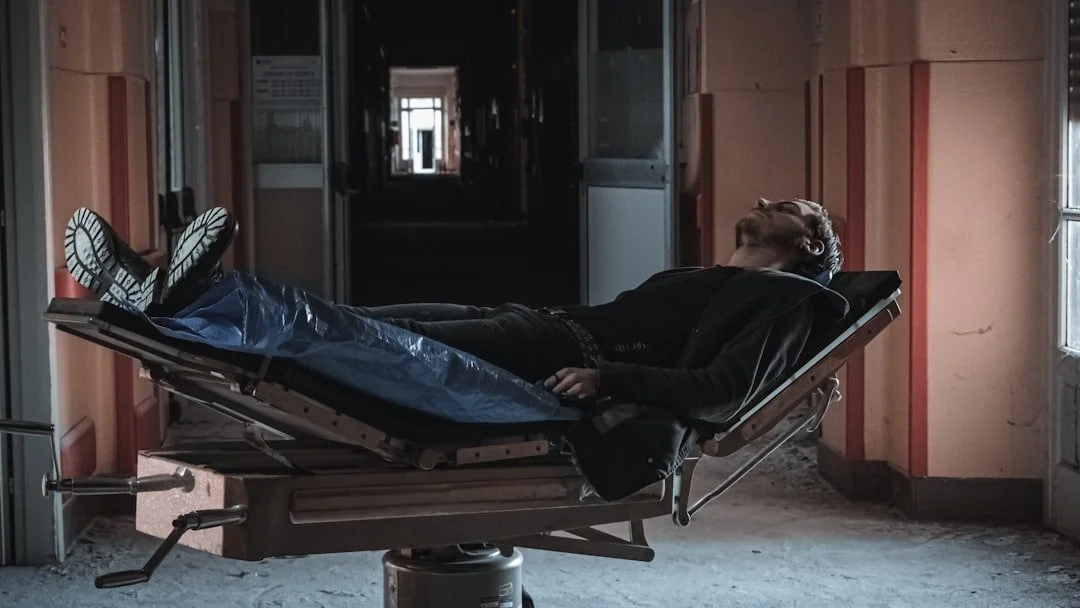
It is late.
Someone is lying awake in a dark flat, phone in hand, the light from the screen cutting through the room. They are not scrolling for pleasure. They are scrolling because anxiety has taken hold again and they do not know how to quiet it.
Perhaps it was a disagreement with a partner. Perhaps a sharp email from a boss. Perhaps nothing dramatic at all, at least not on the surface. Yet something in them has been activated so strongly that it feels like a physical blow. Their chest is tight. Their stomach is unsettled. Their mind is racing.
They are exhausted, but not in the ordinary sense.
This is the kind of exhaustion that comes from carrying too much for too long. The kind that builds when your body remains on alert, even when your life on the outside appears functional. The kind that leaves you wondering why small things can feel so overwhelming.
Eventually, they type the words: trauma therapy Central London.
They are looking for help, but they are frightened too.
Frightened that therapy will mean being made to relive everything. Frightened that opening up old pain will leave them flooded and unable to cope. Frightened that trauma work will feel clinical, exposing, or out of control.
So often, they close the tab.
And they carry on alone.
As a systemic psychotherapist working privately in Central London, I want to say something clearly. Trauma therapy does not have to look the way many people fear it will.
Trauma is not weakness and it is not failure
One of the most common misunderstandings about trauma is that it belongs only to catastrophic experiences, or that it should be obvious and dramatic.
In reality, trauma often lives in the nervous system long after the original experience has passed. It can show up as anxiety, irritability, emotional shutdown, people pleasing, hyper vigilance, or a constant feeling of being on edge. It can shape how you respond to stress, how safe you feel in relationships, and how much pressure your body carries without rest.
You may know, rationally, that you are no longer in danger.
But your system may not have caught up.
That is often why a minor disagreement, a delayed reply, a crowded Tube journey, or a demanding workday can feel much more intense than it appears from the outside. The reaction is not random. It is usually connected to a survival response that has remained switched on for too long.
I often describe it as an alarm system that once had a reason to be highly sensitive. It was there to protect you. But now it goes off too easily. Not because you are broken, but because your body has learned to expect threat even when the immediate crisis is over.
What trauma therapy actually involves
For many people, the phrase trauma therapy brings up an image of being forced to revisit painful memories in detail until they feel overwhelmed. That fear keeps a lot of people from reaching out.
But that is not how I work.
Trauma therapy, as I understand and practise it, is not about pushing you to relive what happened before you are ready. It is about creating enough safety, steadiness, and understanding for your system to begin responding differently in the present.
It is collaborative. It is paced. And it is rooted in the belief that you do not need to be flooded in order to heal.
We work together to understand what your nervous system learned, how it continues to affect your relationships and daily life, and what helps it begin to feel safer now.
That may involve noticing what triggers the alarm. It may involve understanding the emotional logic of your reactions. It may involve making sense of old experiences that still feel unfinished, so they no longer intrude into the present as if they are still happening now.
This is one of the most important shifts in trauma work.
The aim is not simply to remember. It is to help what feels like an ongoing present become part of the past.
Moving from survival to steadiness
Many of the people I work with are high functioning. They are capable, articulate, and used to managing demanding lives. They often hold responsible roles at work. They show up for others. They keep going.
But inside, they feel constantly braced.
They may struggle to rest. They may feel tense in relationships. They may overreact and then criticise themselves for it. Or they may shut down altogether and feel numb when they most want to be present.
This is where trauma can be so difficult to recognise.
It is not always visible. It often hides inside competence.
In therapy, we begin to slow things down enough to understand what your system is doing and why. We look not only at symptoms, but at the wider relational and emotional context. As a systemic psychotherapist, I am interested in how your past experiences continue to shape the world you are navigating now. Your work. Your relationships. Your stress responses. Your sense of safety. Your sense of self.
This wider lens matters, because trauma does not happen in a vacuum. It affects the way you move through life and the roles you come to occupy within it.
You do not have to do this by force
One of the reasons trauma therapy can feel frightening is because many people imagine they will lose control if they begin. They worry that once the box is opened, it cannot be closed again.
That fear makes sense.
But good trauma therapy is not about throwing the box open. It is about building enough trust and capacity that you do not need to fear what is inside it in the same way.
We go at a pace your system can tolerate.
We work with care, not force.
We pay attention to what helps you feel grounded, what overwhelms you, and what allows the work to feel manageable rather than destabilising.
This is part of what healing looks like. Not just understanding the past, but developing a different relationship to it.
You do not need to stay alone with it
If you recognise yourself in that late night search, you are not weak, dramatic, or failing. There is usually a reason your body responds the way it does. And there is help for it.
You do not have to keep white knuckling your way through the evenings, hoping that tomorrow will feel easier.
You do not have to wait until things become unbearable before you reach out.
If this resonates, you can read more about my trauma therapy approach for adults living with anxiety, hyper vigilance, and the lasting impact of past experiences.
Therapy can offer a space to understand what is keeping you on alert, reduce the emotional weight you have been carrying, and begin moving from survival into something steadier, safer, and more connected.